The Future of Nutritional Psychiatry: How Food Affects Your Mood

Dr. Michael Chen
October 12, 2026
For decades, psychiatry has largely focused on neurochemistry, trauma, and behavioral patterns. But a new paradigm is emerging—one that looks at the gut-brain axis and the profound impact of our diet on our mental well-being.
The Gut-Brain Connection
Did you know that approximately 95% of your serotonin is produced in your gastrointestinal tract? Your gut is lined with a hundred million nerve cells, or neurons, and it makes sense that the inner workings of your digestive system don't just help you digest food, but also guide your emotions.
The function of these neurons — and the production of neurotransmitters like serotonin — is highly influenced by the billions of "good" bacteria that make up your intestinal microbiome. These bacteria play an essential role in your health. They protect the lining of your intestines and ensure they provide a strong barrier against toxins and "bad" bacteria.
"What we eat matters not just for our physical bodies, but directly fuels our brains and dictates our cognitive clarity."
Foods That Fuel Your Mind
While there isn't a single "magic bullet" food that cures depression or anxiety, a dietary pattern focused on whole, nutrient-dense foods has been consistently linked to better mental health outcomes.
- Fatty Fish: Rich in Omega-3 fatty acids, which are crucial for brain health and have been shown to reduce symptoms of depression.
- Fermented Foods: Yogurt, kefir, kombucha, and kimchi contain probiotics that support a healthy gut microbiome.
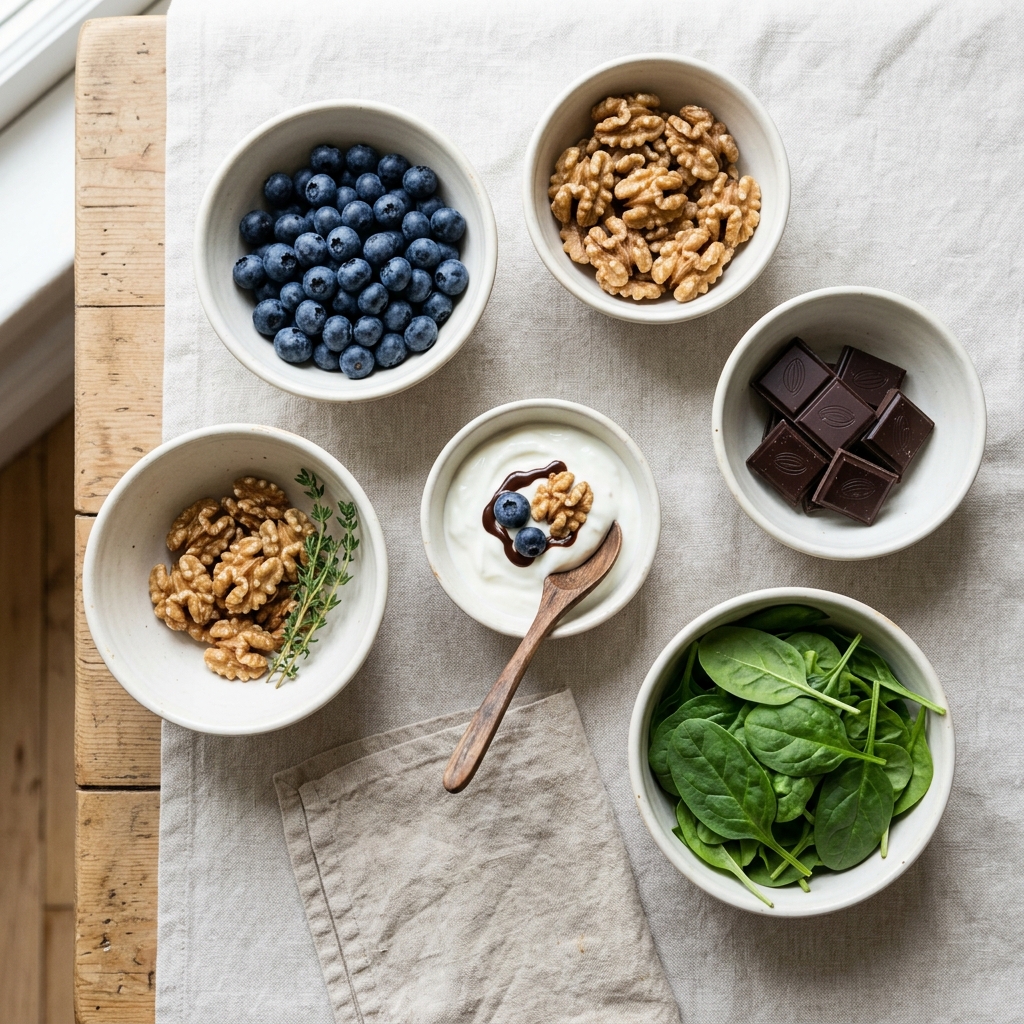
- Leafy Greens: Spinach, kale, and Swiss chard are packed with folate, a B-vitamin essential for neurotransmitter production.
- Nuts and Seeds: Walnuts and chia seeds are excellent plant-based sources of Omega-3s and magnesium.
The Mediterranean Approach
Numerous studies have highlighted the Mediterranean diet as one of the best dietary patterns for mental health. This diet emphasizes fresh fruits, vegetables, whole grains, legumes, fish, and healthy fats like olive oil, while minimizing processed foods and refined sugars.
Moving Forward
Nutritional psychiatry isn't meant to replace traditional therapies or medications. Instead, it offers a powerful adjunctive approach. By paying attention to what we put on our plates, we can take an active role in nurturing our mental health and building resilience from the inside out.
Dr. Michael Chen
Head of Mental Health & Psychiatry
Dr. Chen specializes in holistic approaches to mental health, integrating cognitive behavioral therapy with lifestyle and nutritional interventions.
View Profile →